
Foundations in Photo Composition
This isn't about learning rules from a textbook. We built this program around how photographers actually think and work when they're creating images that connect with people. You'll explore framing, balance, light, and storytelling through hands-on projects that reflect what you'd face in real photo work.
We start with fundamental principles but quickly move into practical application. Most students find themselves shooting with more intention within the first few weeks.
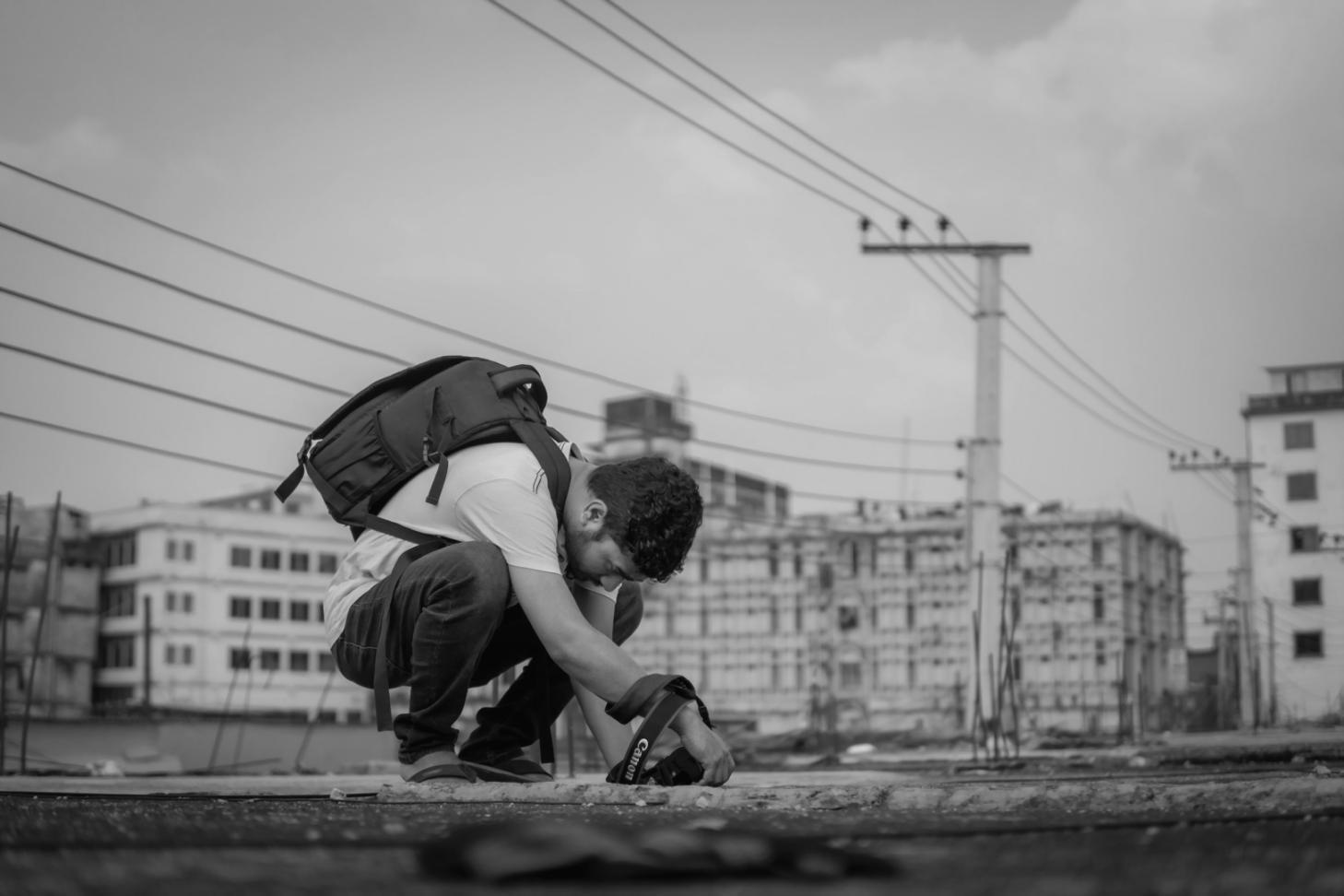
What This Program Actually Covers
Six months of focused study that reshapes how you see and capture images.
We've designed this to build your skills incrementally. Each module connects to the next, so you're not just learning isolated techniques—you're developing a cohesive approach to composition. The curriculum adapts based on where students are struggling, which means we spend more time on the concepts that matter most to each group.
Classes run in small cohorts. You'll work directly with instructors who've spent years shooting commercially and editorially. They'll critique your work, but more importantly, they'll help you understand why certain compositional choices work better than others for specific contexts.
Visual Grammar and Balance
We cover the classic compositional frameworks—rule of thirds, golden ratio, leading lines—but we also show you when to break these rules. You'll analyze professional work and then apply those observations to your own shooting exercises.
Light as Compositional Tool
Understanding how light shapes perception is critical. This module explores natural and artificial lighting scenarios, teaching you to recognize and utilize light direction, quality, and color temperature within your frame construction.
Storytelling Through Framing
Every image tells a story, whether you intend it or not. We focus on deliberate narrative construction through subject placement, depth, and context. Students shoot multi-image sequences that explore a single theme from different compositional angles.
Genre-Specific Approaches
Portrait composition differs dramatically from landscape or street photography. We dedicate time to understanding how different genres demand different visual strategies. You'll experiment across multiple styles to find where your interests align.
Portfolio Development
The final phase involves creating a cohesive body of work. You'll select, refine, and sequence images that demonstrate both technical competence and personal vision. This isn't just for portfolio purposes—it's about learning to evaluate your own work critically.
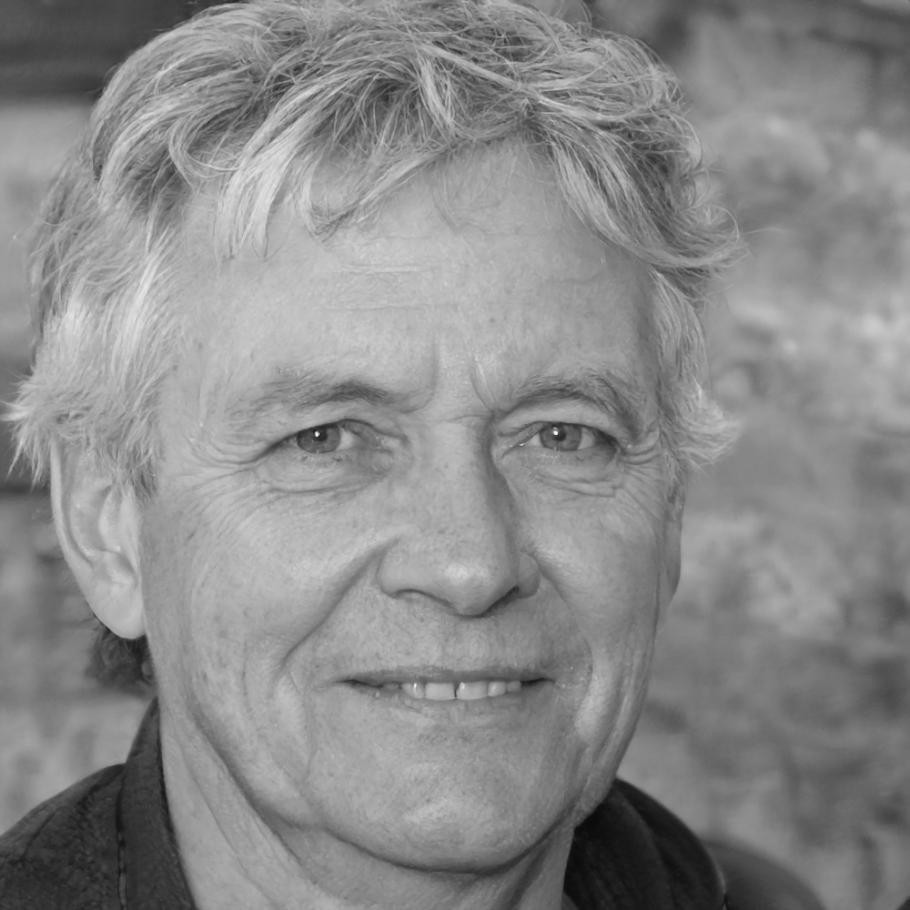
Pavlo Tkachuk
Lead InstructorPavlo has worked as a commercial photographer for over a decade, specializing in architectural and editorial photography. He brings a practical, no-nonsense approach to teaching composition.
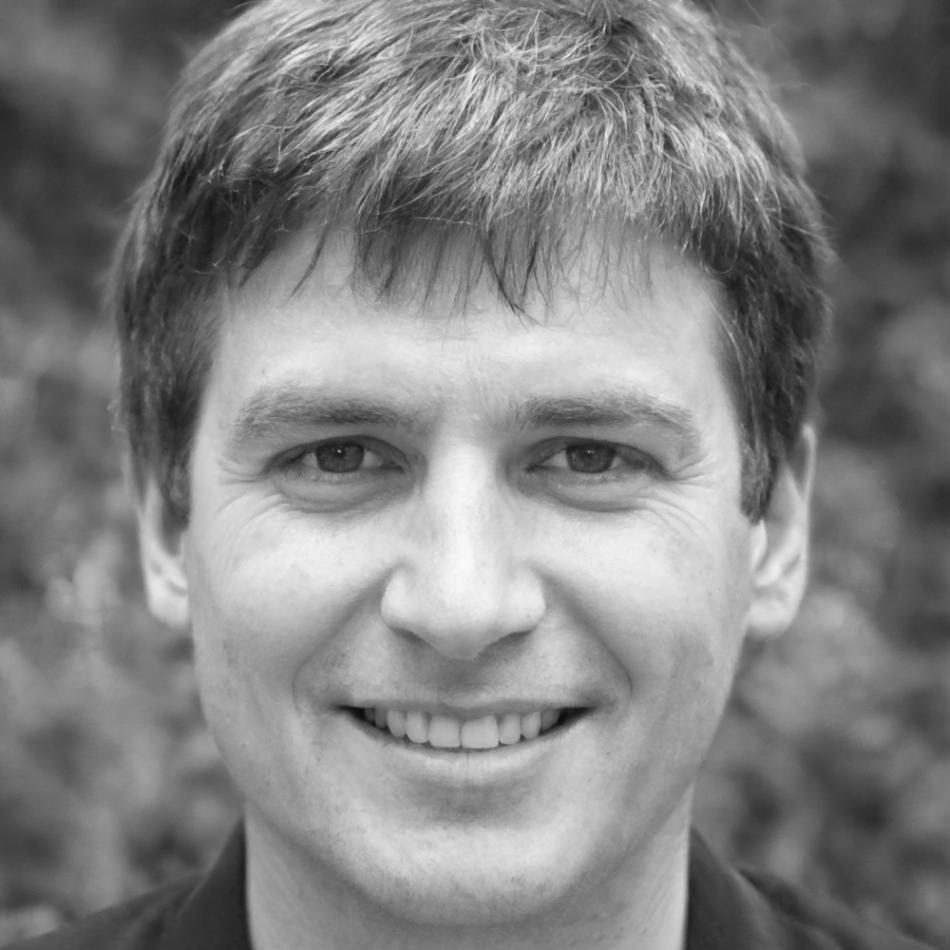
Ostap Melnyk
Workshop FacilitatorOstap focuses on documentary and portrait work. His teaching emphasizes how compositional choices affect emotional resonance and viewer connection with subjects.